
Hickory Oil
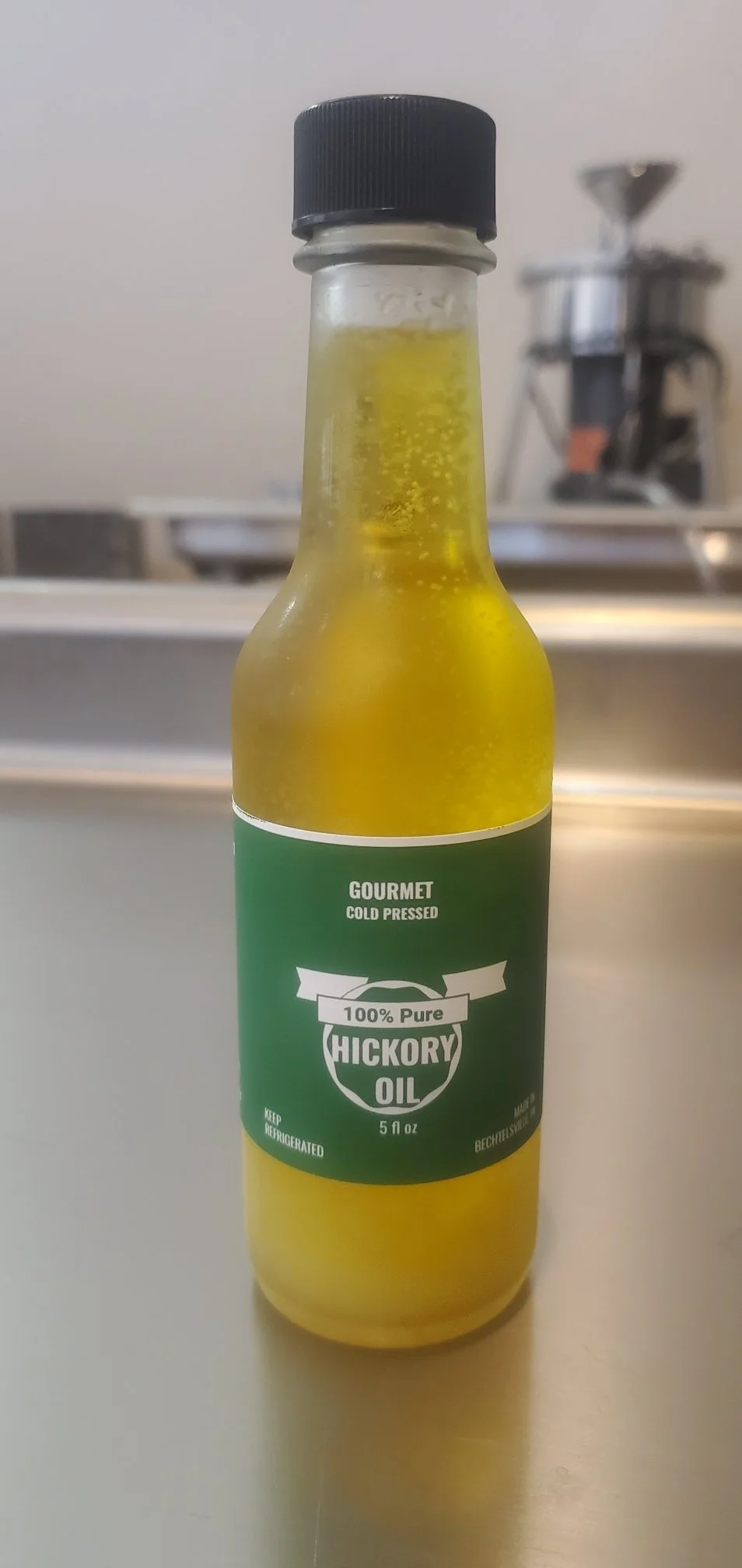
Hickory oil is not a new invention. For thousands of years, Indigenous communities across eastern North America pressed and boiled hickory nuts to extract oil and make nutmilk. The word "hickory" itself derives from an Indigenous term for the nut milk or oil made by pounding whole hickory nuts, shell and all. Then, within a few centuries of colonization, the tradition of making oil and nutmilk from hickory nuts almost entirely disappeared.
What KTCC is doing now is part of a broader effort to become aware again of the abundance around us.
https://www.flickr.com/photos/33037982@N04/
The Tree
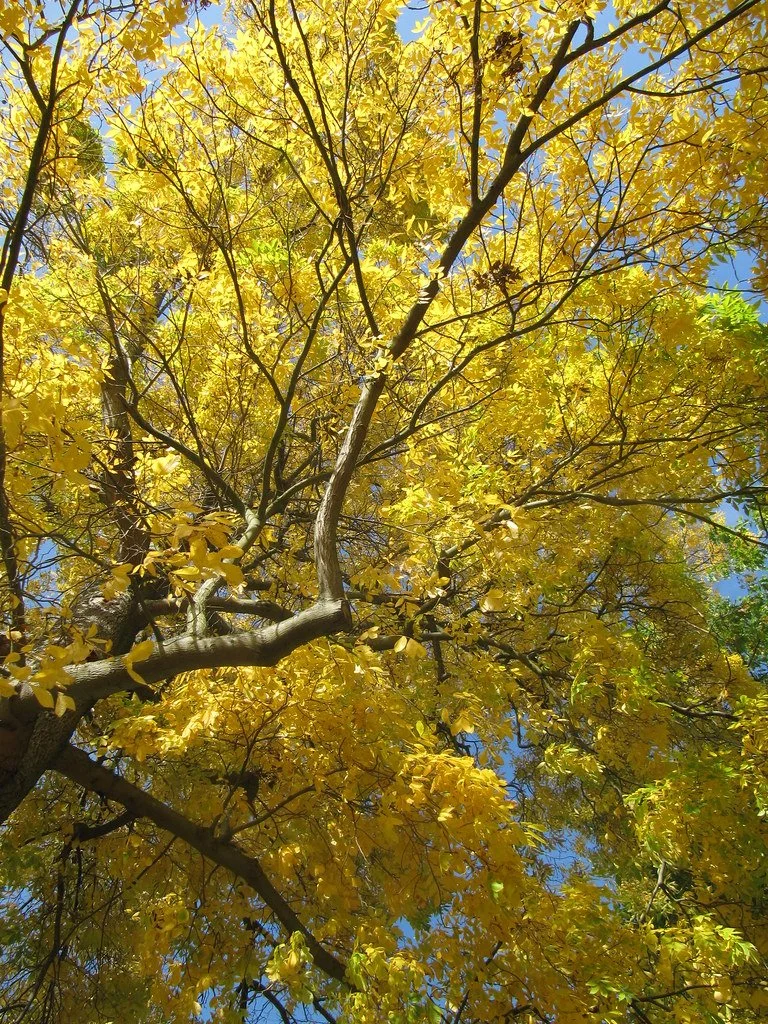
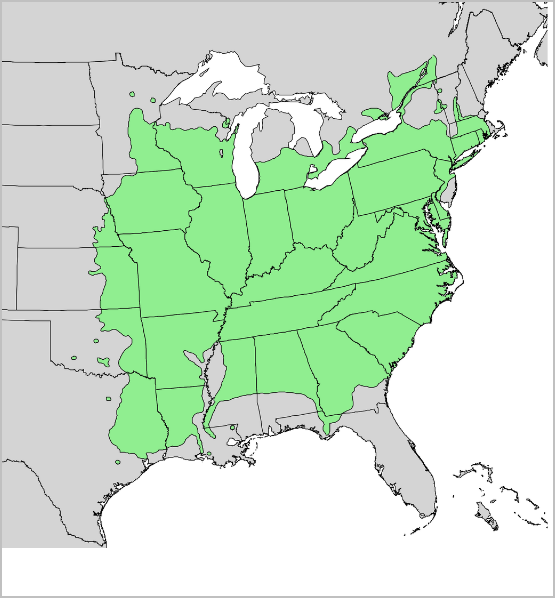
Yellowbud hickory (Carya cordiformis), also called bitternut hickory, is the most widespread hickory species in North America. Its range stretches from the Gulf Coast to southern Canada, and from the eastern edge of the Great Plains to the Atlantic. Chances are there are yellowbud hickories near you right now.
Despite that abundance, this tree has been overlooked as a food source by most people alive today. The raw kernels are intensely bitter, which earned the tree its more common name, and led generations of foragers and farmers to pass it by. But the bitterness comes from tannins, and tannins are not soluble in fat. When the nuts are pressed for oil, the bitterness is left entirely behind. What comes through is something mild, smooth, and golden, with a gentle nuttiness and a quality that compares to the finest olive oil.
Naturalist and forager Sam Thayer, who has devoted decades to understanding and reviving this crop, put it simply: "Here we have the North American equivalent of the olive. And it's being totally ignored."
The Oil
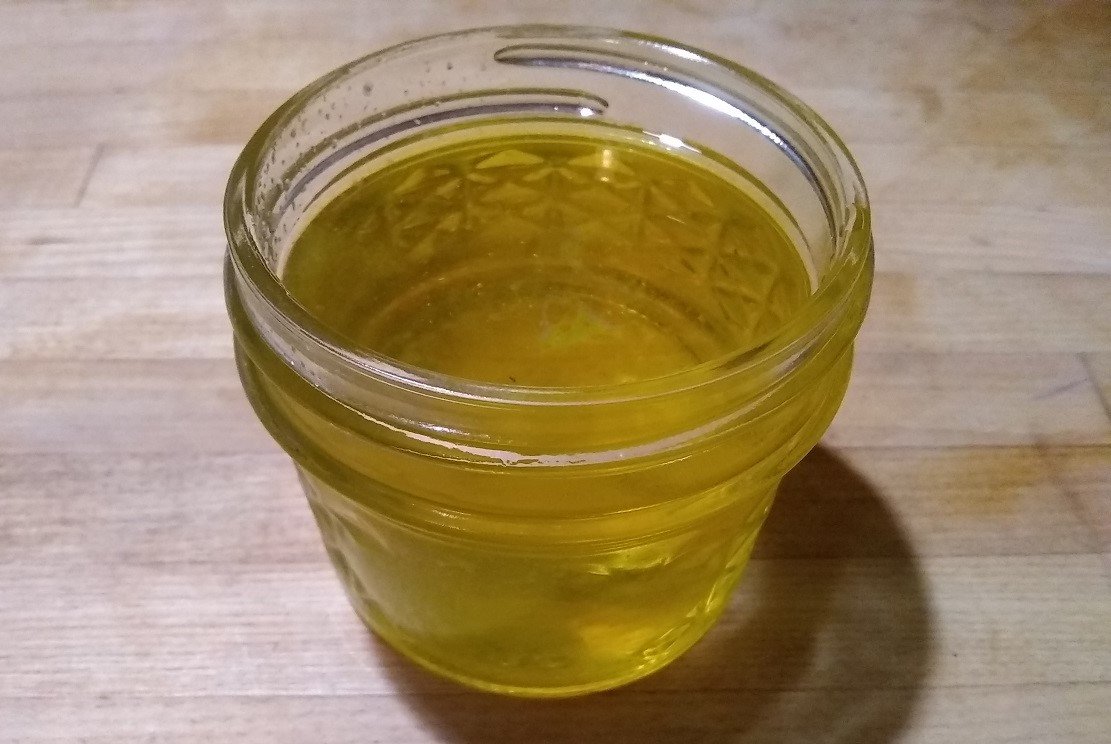
Yellowbud hickory nuts contain about 75% oil by weight, one of the highest fat contents of any temperate tree nut. The fatty acid profile of the oil is remarkably similar to that of olive oil: roughly 70% oleic acid, with smaller amounts of linoleic, linolenic, palmitic, and stearic acids. Lab testing shows about 70% monounsaturated fat and under 11% saturated fat.
The flavor depends on how the nuts are processed. Cold-pressed from raw nuts, the oil is clean and neutral, well-suited to everyday cooking. Pressed from lightly roasted nuts, it becomes warmer and more aromatic, closer to a finishing oil with notes of pecan and toasted nut. Both are delicious, and both are versatile.
The smoke point is high, around 450 degrees Fahrenheit, making it suitable for sauteing, roasting, and high-heat cooking, as well as for salad dressings, bread dipping, and finishing dishes.

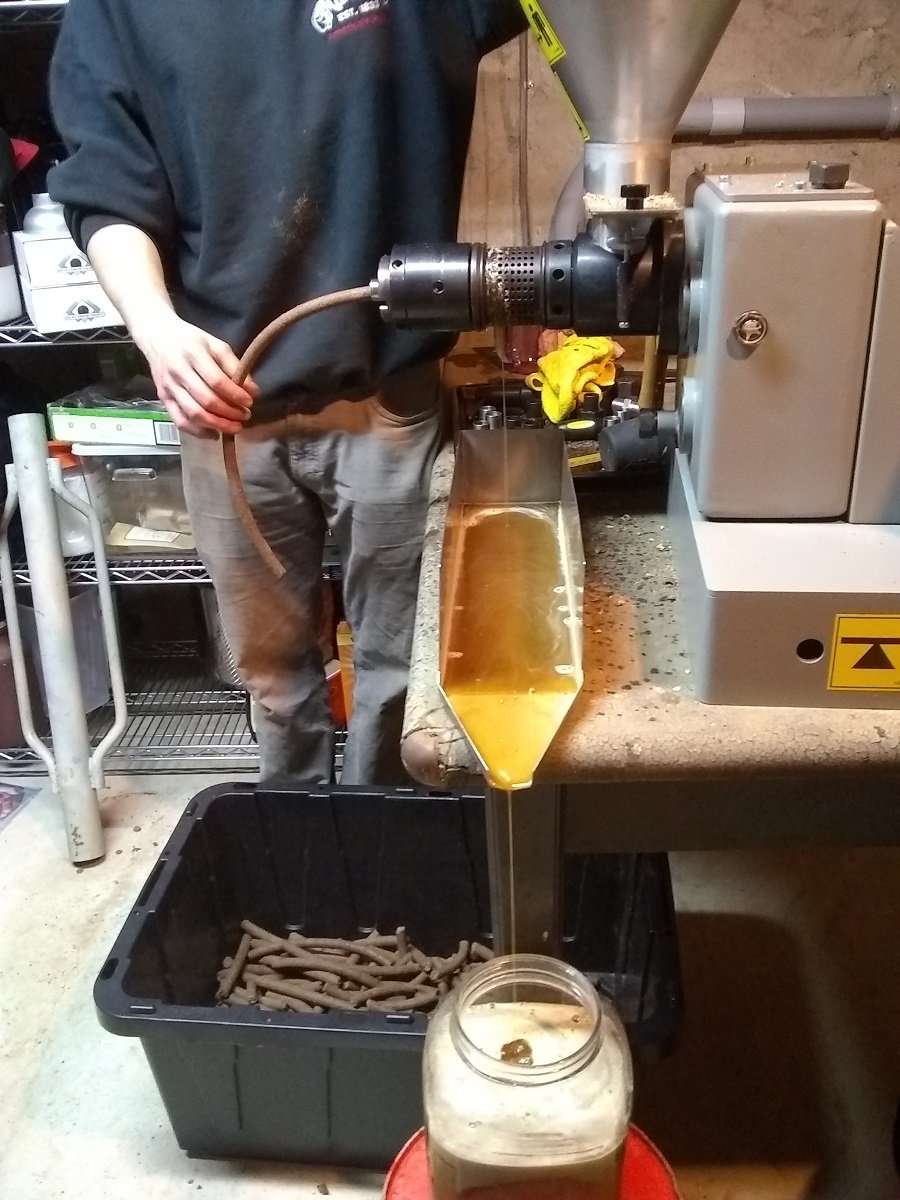
How It's Made
KTCC gathers yellowbud hickory nuts from wild trees across Pennsylvania and surrounding states, working with a growing network of harvesters who bring in nuts each fall. After harvest, the nuts are cured, dehusked, sorted, cracked, and pressed using a mechanical expeller press. The oil is filtered and bottled in small batches.
The press cake left behind after pressing is itself a promising byproduct. Dense with residual oil and hickory aroma, it has shown real potential as a culinary smoke fuel, delivering authentic hickory flavor faster and more efficiently than traditional wood chips. KTCC is actively developing this as a second product.
None of this happens quickly or without effort. The process from harvested nut to bottled oil requires care at every step. But it doesn't require clearing forest, tilling soil, irrigating fields, or applying chemical inputs. The trees are already here, and a well-situated yellowbud can live for two centuries or more.
Why This Matters
Conventional annual agriculture – which is how corn, soy, and wheat are grown – relies on unsustainable practices like frequent tillage, synthetic fertilizers, and pesticides which degrade land health and biodiversity. Perennial agriculture, by contrast, supports healthy soil systems that sequester carbon, stop soil and nutrient loss on farms, create wildlife habitat, and reduce labor costs. KTCC envisions a food supply chain that supports more perennial food crops for people and planet. Food is growing on trees all around us – we are creating the aggregation, storage, processing, and marketing infrastructure to turn this abundance into staple foods.
Hickory oil is a high-quality product with the potential to support transformative food systems. While it is currently a niche specialty food, through the work of KTCC and others, we have the opportunity to build a regional food economy rooted in native perennial crops, shared supply chain infrastructure, and fair returns for everyone involved.
Yellowbud hickory fits that vision well. The trees are abundant, widespread, and resilient. They tolerate an exceptional range of conditions and have the potential to thrive under uncertain climatic futures. And the oil they produce is extraordinary in its nutritional profile, flavor, and versatility.
This is still early days, and there are only a small number of commercial hickory oil producers in North America, collectively pressing a few hundred gallons a year. The first intentional orchards for oil production are just being planted. KTCC’s supply chain, from harvester agreements to processing protocols to market development, is being figured out with our members and the broader community.
We think now is the time to be building towards a better relationship to land and to each other.
Purchase Hickory Oil Now!
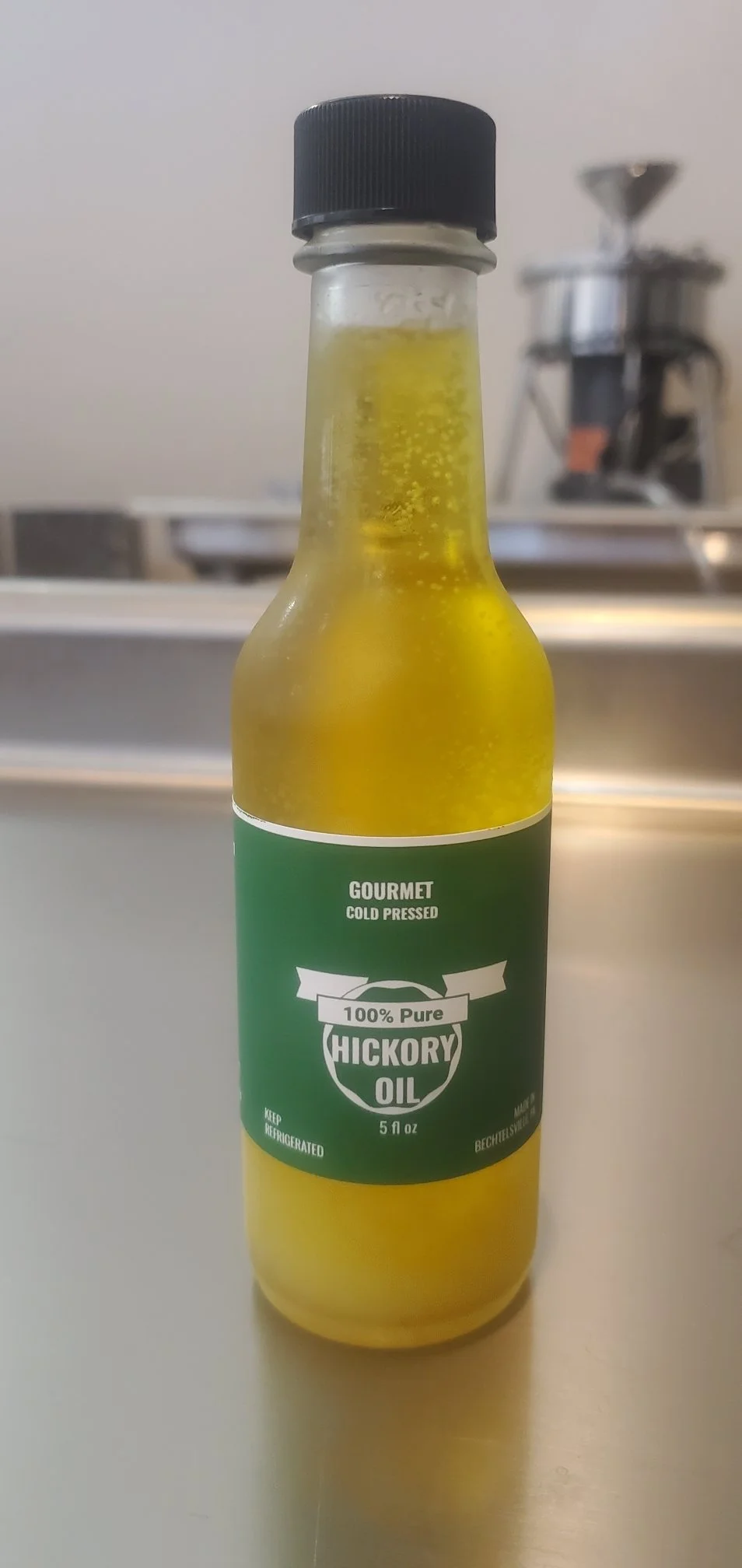
Use it for sauteing, roasting, and high-heat cooking. Use it to finish pasta, vegetables, or bread. Use it wherever you'd reach for a good olive oil.
KTCC's hickory nut oil is pressed from the nuts of yellowbud hickory (Carya cordiformis), a native tree with one of the widest distributions of any species in the eastern United States. Despite its abundance, yellowbud has been largely overlooked as a food source for the past few centuries. The oil we press from it is our attempt to change that.
The raw nuts are bitter, but the bitterness comes from tannins, and tannins are not oil-soluble. What comes out of the press is something entirely different: mild, smooth, and faintly nutty, with a fatty acid profile similar to olive oil. Lab testing shows roughly 70% monounsaturated fat and a high oleic acid content. The smoke point is around 450 degrees Fahrenheit.
Because this oil is fresh and unrefined, it should be refrigerated after opening.
A bottle of hickory nut oil supports KTCC's members: the harvesters who gather nuts from wild trees each fall, the processors who press and bottle each batch, and the growers beginning to establish orchards for future seasons. It also helps fund the shared infrastructure and learning we are building together as a cooperative.
For more information visit this page: https://ktcc.coop/hickory-oil
Allergen information: contains tree nuts.
Please allow up to 10 days for order handling and fulfillment.